The Complete Guide to ERP and Accounting Software in Nepal 2025
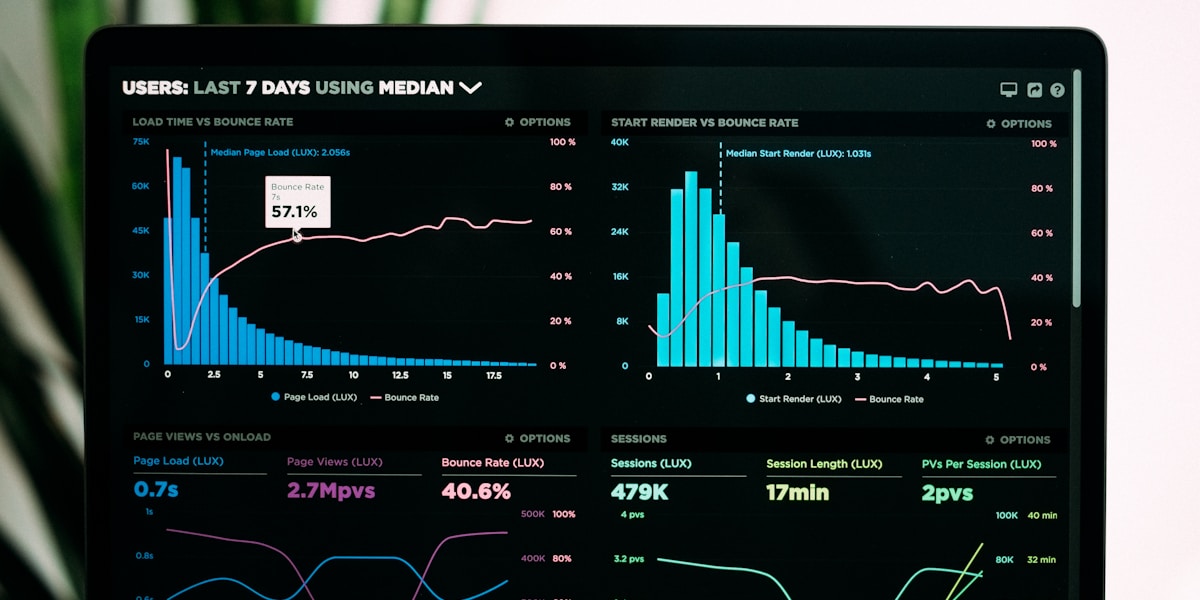
The manual physical ledger (लेखा सफ्टवेयर) is thoroughly dead in heavily regulated economies. If you are serious about mitigating Inland Revenue Department (IRD) fines, adhering flawlessly to Nepal Financial Reporting Standards (NFRS), and scaling an agile Nepali workforce, choosing the absolute right ERP accounting software ecosystem is literally priority zero.
What is an ERP and Why Do Nepali Businesses Fail Without One?
An Enterprise Resource Planning (ERP) system doesn't just replace your desktop calculator or a basic Excel spreadsheet. It centralizes inventory mapping, HR payroll integrations, fixed asset depreciation, and flawless general ledger mapping into a single, unified database.
In my experience working with Nepali businesses, those generating over NPR 10 Crore annually strictly on disjointed Excel sheets inherently hemorrhage cash. Because data lives in fragmented silos across different departments, the VAT output claimed by the sales floor never perfectly matches the trial balance produced by the auditing division. The results are massive non-compliance fines, blocked Input Tax Credits, and retroactive adjustments during tax clearance.
A modern ERP enforces internal controls. A junior accountant cannot accidentally backdate an invoice past a closed financial period without the system generating an explicit audit trail.
The Software Comparison Map for the Nepalese Sector
Not all architectures are built equal. Purchasing an ERP that is too complex will bankrupt your IT department, while purchasing one that is too simple will result in compliance failures. We segment software rigidly based entirely on the complexity of your localized business logic:
| ERP Platform | Best Suited For | VAT & TDS Support | NFRS Compliance | Deployment Model |
|---|---|---|---|---|
| Tally Prime | SMEs, Wholesalers, Distributors | Native & Flawless | Excellent Local Mappings | Desktop / AWS / Local Server |
| QuickBooks / Xero | Service Startups, Remote Agencies, Tech | Requires Custom Chart of Accounts | Manual Bridging Required | 100% Native SaaS Cloud |
| SAP Business One | Large Manufacturers, Conglomerates | Requires Custom Implementation | Absolute & Comprehensive | Private Cloud / On-Premise |
| Enterprise ERP Systems | NGOs, INGOs, Govt Contractors | Requires Architectural Configuration | Flawless Donor Fund Tracking | Secure SaaS Cloud |
Deep Dive: The Heavyweights in Nepal
1. Tally Prime: The Indisputable King of Trading
It is impossible to navigate Kathmandu's retail or wholesale landscape without encountering Tally. Tally dominates specifically because its VAT reconciliation maps exactly to the strict parameters mandated by the IRD online portal.
When you generate a sales voucher in Tally, it instantly formats the data for the exact CBMS (Centralized Billing Management System) annexures required by the government. The transition to Tally Prime introduced better navigation and remote access capabilities, cementing its status as the default for 80% of Nepali SMEs.
2. SAP Business One: The Manufacturer’s Engine
For multi-company conglomerates operating heavy manufacturing plants in Birgunj or Bhairahawa, Tally often struggles with complex, multi-stage Bill of Materials (BOM) routing and heavy machine depreciation schedules.
SAP Business One (B1) solves this. It natively tracks the cost of raw materials imported via LC, applies customs and excise duties directly into the inventory valuation, and computes the exact cost of goods manufactured per batch.
[!WARNING] The Implementation Trap Never purchase SAP merely out of corporate vanity. Implementing a Tier-1 system for an emerging distribution operation lacking a dedicated internal IT control tower will utterly devastate your financial reporting structure within 90 days. SAP requires rigorous training and strict discipline from your staff. Scale the software iteratively to match your structural capability.
3. QuickBooks & Xero: The Cloud Innovators
Modern tech agencies, remote consulting firms, and service-oriented startups employing massive remote workforces demand immediate mobile visualization. Xero and QuickBooks deliver beautifully on these UX aspects, allowing management to track outstanding invoices via smartphones intuitively.
However, there is a major caveat: neither platform has a localized "Nepal Edition." Configuring an exact 13% Nepali value-added-tax bracket—and ensuring it posts properly to the correct liability ledger entirely devoid of backend statutory patches—requires an experienced ERP consultant locking the architectural map before you go live.
Critical ERP Selection Criteria for Nepal
Before signing a software licensing contract, force the vendor to answer these three questions:
- Can it generate IRD-compliant VAT Registers (Purchase Book/Sales Book) automatically?
- Does it support the Nepali Fiscal Year (Shrawan to Ashadh) across comparative reporting?
- Can it handle the complex 1%, 1.5%, 5%, 10%, and 15% TDS deduction logic directly in the payment voucher?
If the answer to any of these is no, you are buying a generic database, not a localized compliance solution.
Need Help Architecting Your Tech Stack?
I specialize absolutely in architecting flawlessly compliant ERP data environments perfectly aligned for corporate scale across Kathmandu's rapidly expanding enterprise frontier.
If you are migrating from manual ledgers, upgrading from Tally to SAP, or need custom dashboard integrations for your board of directors, book a consultation today. We will ensure your transition is seamless and 100% IRD compliant.
Arun Gupta
AuthorFinance & ERP Consultant · Kathmandu, Nepal
5+ years helping Nepali enterprises, NGOs, and listed entities streamline fiscal operations, navigate NFRS/Tax compliance, and automate ERP suites.